Gardener Shortlands — Recycling and Sustainability
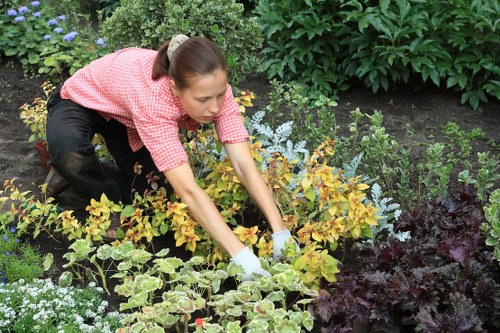 Gardener Shortlands is committed to creating an eco-friendly waste disposal area and a thriving sustainable rubbish gardening area that serves residents, allotments and local green spaces. This page outlines how our gardening services in Shortlands reduce landfill, increase reuse and turn green waste into resources. We blend practical on-site segregation with partnerships across the borough to support the local circular economy and make every garden visit count toward a low-carbon future.
Our approach for a greener Shortlands starts with simple, effective separation at source: food scraps, garden cuttings, mixed dry recycling and reusable items are identified and directed to the correct channels. We work within the borough's approach to waste separation — encouraging separate containers for organic waste, glass, paper and plastics — and adapt it to the realities of residential gardening. By integrating green waste composting and targeted recycling streams, we minimise contamination and maximise material recovery for soil reconditioning and community projects.
Key objectives for sustainable gardening waste
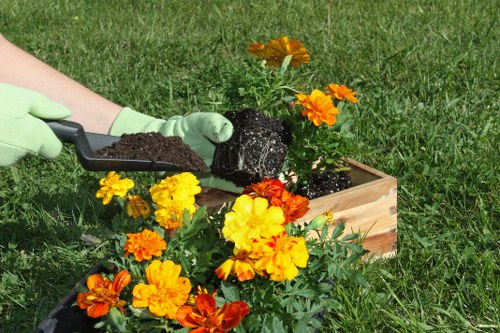
Our main operational targets are practical and measurable. The headline target is a recycling percentage target of 70% of garden and green waste diverted from landfill within three years. That includes composting on-site where feasible, delivering clean woody material to chipping and biomass facilities, and sending reusable items and soil-friendly materials to community reuse hubs. We monitor composition and tonnage to improve routes and meet the borough's separate-stream ambitions.Local transfer stations and processing hubs
To keep our eco-friendly waste disposal area efficient, we make routine use of nearby transfer stations and municipal processing facilities. These include the borough transfer depot for green and mixed recyclables, a suburban transfer station for bulky organic materials, and regional composting and wood-processing hubs. Our logistical plans prioritise shorter journeys and consolidated loads so materials arrive clean and are processed into high-quality compost, mulch and recycled aggregates for landscaping.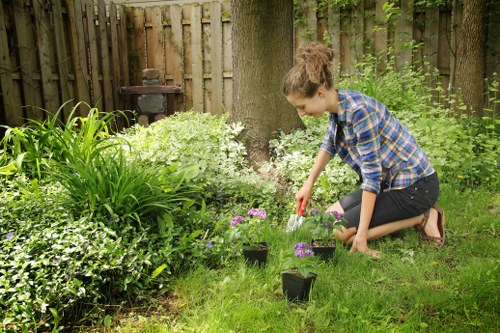 Low-carbon fleet and transport — transport is a core part of sustainability. Gardener Shortlands operates a fleet of low-carbon vans and service vehicles: electric light vans for small-scale collections, plug-in hybrids for mixed routes, and Euro 6 low-emission units for heavier loads. We schedule collections to minimise miles, use consolidated pickups for street clusters, and maintain a charging plan for our EVs. The result is a reduced carbon footprint per tonne of material handled and a quieter presence in local streets.
We also test alternative delivery models for the sustainable rubbish gardening area, such as community drop-off days with reduced-distance haulage and seasonal campaigns that align with borough composting windows. These initiatives support the borough's wider waste reduction strategy and make it easier for residents to participate in the garden recycling culture.
Partnerships with charities and community organisations
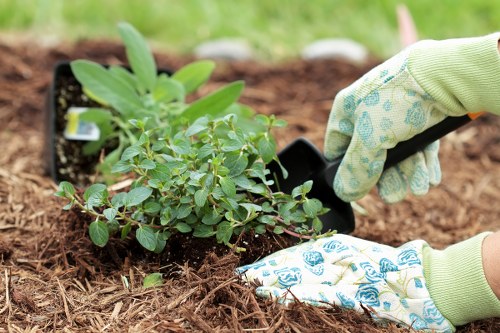
A key part of our work is forging reuse pathways. We partner with local charities, community allotments and social enterprises to divert usable items — planters, tools, pots and bricks — from the waste stream. These partnerships help supply charities with materials for upcycling projects and community garden builds. By connecting rescued materials to local groups, we extend the life of resources and help community initiatives thrive.Our collaborations also include food redistribution networks for surplus garden produce and compost-sharing schemes with community gardens. When materials cannot be reused directly, they are processed into compost or mulch and allocated back to community projects, completing a local circular loop. These efforts build social value as well as environmental benefit and create visible, local examples of the sustainable rubbish gardening area in action.
Practical recycling activities you’ll see locally
On the ground in Shortlands you will notice specific recycling activities tailored to gardening: separate green-waste collections for leaves and grass, woody chipping operations for branches, dedicated sacks for clean soil and stone that can be reclaimed, and segregated boxes for glass, metals and plastics removed from garden clean-ups. We also run seasonal bulb and compost exchanges and support borough schemes for separate food-waste pickups where residents participate. These small changes add up to the high diversion rate we target.How residents and clients can help — you can support the eco-friendly waste disposal area by pre-sorting materials where possible, keeping recyclable and reusable items separate from soiled green waste, and choosing services that use low-carbon vans. Small actions such as removing plastic liners from compostable bags, keeping soil/stone dry for reuse, and earmarking usable tools for donation help maintain our recycling quality and reduce processing costs.
Monitoring and reporting — we commit to transparent tracking of recovery rates, vehicle emissions and diversion tonnages. Regular reporting against the 70% recycling target helps refine operations and informs joint initiatives with the borough, transfer stations and charity partners. Continuous improvement ensures Gardener Shortlands remains a model for sustainable garden waste management and a reliable partner in the local green infrastructure.
In summary, Gardener Shortlands combines practical on-site sorting, efficient routing with low-carbon vans, strategic use of local transfer stations and meaningful charity partnerships to deliver a robust, sustainable rubbish gardening area. Together with residents and community organisations we aim to exceed recycling targets and create greener, cleaner outdoor spaces across Shortlands.