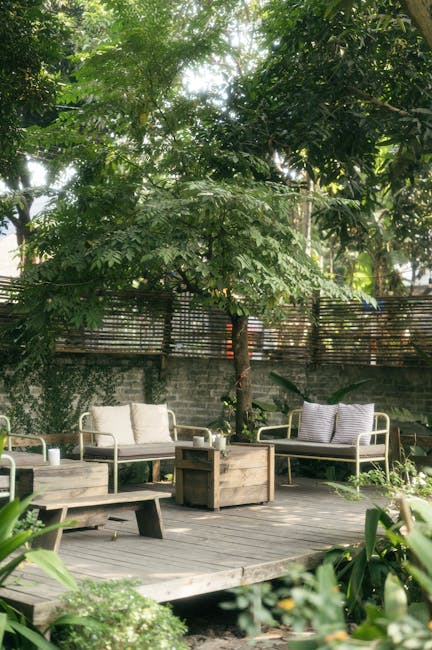
Best gardeners for Shortlands Village front gardens BR2
If you are trying to choose the Best gardeners for Shortlands Village front gardens BR2, you are probably after more than a quick mow and a tidy hedge. Front gardens are the bit people see first. They shape kerb appeal, affect how welcoming a property feels, and, truth be told, they can become a small headache if they are left to drift. A good gardener knows how to keep things neat without making the space look flat or overworked.
In Shortlands Village, front gardens often have to do a lot with not much room. Narrow paths, mixed borders, small lawns, boundary hedging, and the occasional awkward tree root can all make maintenance more fiddly than it sounds. This guide breaks down what to look for, how the work is usually handled, the common mistakes to avoid, and which services matter most if you want a front garden that stays tidy through the year rather than looking good for one week and then slipping again.
For a broader look at the full range of local services, you may also find the services overview useful, and if you want to understand the team behind the work, the about us page is a sensible place to start.
Contents
- Why this matters for Shortlands Village front gardens
- How front garden gardening works in practice
- Key benefits and practical advantages
- Who this is for and when it makes sense
- Step-by-step guidance
- Expert tips for better results
- Common mistakes to avoid
- Tools, resources and recommendations
- Law, compliance, standards and best practice
- Options, methods and comparison table
- Case study or real-world example
- Practical checklist
- Conclusion
- Frequently asked questions
Why Best gardeners for Shortlands Village front gardens BR2 Matters
Front gardens are not just decoration. They are a working part of the property. They guide visitors to the door, soften the look of paving and brick, and often set the standard for the rest of the home. In a place like Shortlands Village, where many homes have compact plots and visible street-facing boundaries, front garden care can make a bigger difference than people expect.
The right gardener brings structure to a space that can otherwise become messy very quickly. One missed month can mean a lawn that has thinned out at the edges, a hedge that starts to spill over the pavement, or borders that look more like a holding area for weeds than a garden. Not the end of the world, of course, but it does pile up. And because the front garden is visible every day, those little issues tend to feel bigger than they are.
Choosing a gardener with the right local experience matters because front gardens are not treated the same way as larger rear gardens. The work often needs a lighter touch, more attention to presentation, and a better eye for detail. A strong front-garden service will think about proportions, seasonal timing, drainage, access, and how to keep maintenance manageable rather than endlessly labour-intensive.
Expert summary: The best front garden work is usually the quiet kind. Clean edges, healthy planting, controlled growth, safe access, and a layout that still looks good two or three weeks later, not only on the day the job is finished.
How Best gardeners for Shortlands Village front gardens BR2 Works
Front garden gardening usually starts with a practical assessment. A good gardener will look at the size of the space, what is already planted, how much light the area gets, whether the soil looks dry or compacted, and how much maintenance you want to take on yourself between visits. That first look matters more than people think. It stops the work from being too heavy-handed.
From there, the work normally falls into a few common areas:
- Lawn care if there is a small front lawn that needs regular mowing, edging, and feeding at the right time.
- Hedge trimming for privacy hedges, boundary growth, and tidy lines around entrances.
- Border maintenance to keep shrubs, perennials, and seasonal planting healthy rather than overrun.
- Clearance and tidy-ups for leaves, fallen twigs, dead growth, and the odd build-up of garden waste.
- Light landscaping if the garden needs a cleaner layout, better access, or a more coherent look.
If you need routine upkeep, garden maintenance is often the most efficient route. For a small front lawn that loses its shape quickly, lawn mowing can be paired with edge work so the whole area looks sharper. If hedges are part of the frontage, hedge trimming is usually one of the highest-value jobs because it changes the overall look straight away.
Sometimes the issue is not ongoing care, but a reset. Maybe the front garden has become too crowded, overgrown, or plain awkward to maintain. In that case, garden clearance can help create a clean starting point before any improvement work begins. If you want a more ambitious redesign, landscape gardening or landscaping may be the better fit.
Key Benefits and Practical Advantages
The benefits of choosing a skilled front-garden gardener are practical first, visual second. That may sound backward, but it is usually how it works in real life.
- Better kerb appeal: a neat frontage gives the whole property a more cared-for feel.
- Less weekly stress: regular upkeep stops jobs from becoming overwhelming.
- Safer access: trimmed paths, controlled growth, and clear entrances reduce trip hazards.
- Healthier plants: pruning, feeding, and seasonal care help plants recover and grow more evenly.
- Smarter use of space: compact front gardens benefit from simple layouts that are easier to manage.
- Longer-lasting results: proper edging, cut timing, and maintenance planning keep the garden presentable for longer.
There is also a quiet financial benefit. A front garden that looks consistently looked after tends to age better. It avoids the cycle of overgrowth, emergency cuts, and rushed fixes that can be more expensive over time. A one-off tidy can be useful, sure, but planned care usually gives you more for your money.
If budget and value are on your mind, it is worth checking the pricing and quotes information before you book. That way, you can match the level of work to what the garden actually needs, not just what sounds impressive on paper.
Who This Is For and When It Makes Sense
Not every front garden needs the same level of attention. Some need frequent light care. Others need a proper reset. The best service depends on the shape of the space, how much time you want to spend on it, and whether appearance or function is the main priority.
This kind of gardening makes the most sense if you are:
- a homeowner who wants the front of the property to stay smart all year
- a landlord trying to keep the exterior presentable between tenancies
- an older resident who prefers reliable help with jobs that have become awkward
- a busy family that does not want the front garden to become the first thing everyone ignores
- someone preparing to sell, rent, or simply improve first impressions
It also makes sense after seasonal changes. Spring is the obvious one, because everything wakes up all at once. But autumn can be just as important. Leaves drop, borders soften, and a front garden can look tired almost overnight. Early winter tidying can help too, especially if pruning and reduction work need to be done before bad weather sets in.
There is no magic date, to be fair. If the garden looks messy enough that you start avoiding the front path, that is usually the moment to act.
Step-by-Step Guidance
Here is a practical way to approach front garden care without overcomplicating it.
- Assess the space honestly. Look at what is thriving, what is weak, and what gets in the way. Is the issue growth, structure, weeds, moss, or just clutter?
- Decide on your main goal. Do you want a neat weekly look, a seasonal tidy, or a full redesign? The answer changes everything.
- Choose the right level of service. A small bed border may only need maintenance. A neglected frontage may need clearance first.
- Prioritise visible areas. In front gardens, the path edge, doorway approach, hedge line, and first border usually matter most.
- Plan for repeat maintenance. A beautiful front garden can slide back quickly if the cut-and-clear routine is left too long.
- Review after the first visit. Check whether the result looks balanced, practical, and easy to maintain. If not, adjust the approach.
A useful habit is to think in terms of "easy to keep" rather than "easy to admire". It sounds dull, but it works. If a layout needs constant rescuing, it is probably not right for a front garden that should look tidy with minimum fuss.
Expert Tips for Better Results
In our experience, the best front gardens are rarely the most complicated ones. They are the ones that have a few clear decisions made well.
Keep the structure simple. A front garden usually benefits from one main focal point, not four competing ideas. A small shrub group, a neat lawn, or a clean path line can be enough.
Use edging properly. Crisp edges make a small garden look intentional. It is one of those little details that seems minor until you see it done badly. Then it is all you can notice.
Prune for shape, not just size. Shrubs and hedges should still look natural, even when trimmed. Harsh cutting can leave a frontage looking boxy or bare.
Choose plants with restraint. Front gardens do better with manageable species than with vigorous growers that constantly need control. Less drama, fewer regrets.
Think about the view from the road. Stand back. If the garden only works up close, it may not be serving the right purpose.
Ask for maintenance advice after the work. The best gardeners do not just finish the job and vanish. They should tell you what to watch next, when to cut again, and what to leave alone.
If you are comparing service providers, the most useful signal is often how they talk about upkeep. Good gardeners talk about sustainability, sequence, and timing. Not just speed.
Common Mistakes to Avoid
Front gardens are deceptively easy to get wrong. Here are the mistakes that cause the most trouble.
- Cutting everything back at once. You can flatten the character of the garden and stress plants unnecessarily.
- Ignoring seasonal timing. Some work is better done in one season than another, especially pruning and planting.
- Choosing plants that outgrow the space. This is a classic problem in smaller front gardens.
- Leaving hedges too wide. They start to crowd paths, windows, and access points.
- Letting weeds build up in borders and paving edges. Small gaps become much harder to manage once they spread.
- Using a one-off tidy as a long-term plan. It feels satisfying for a week, then the same issues return.
Another common one? Wanting a "low maintenance" garden but still asking for lots of high-care planting. The phrase gets used a lot. Sometimes a bit too freely, if we are honest. True low maintenance is about choosing the right plants, the right layout, and the right amount of hard landscaping, not just hoping nature will behave.
Tools, Resources and Recommendations
You do not need a huge toolkit for a front garden, but the right equipment makes a noticeable difference to finish and efficiency. Professional gardeners typically rely on tools that let them work accurately in tight spaces and keep the result neat for longer.
Useful tools and service elements include:
- precision trimmers for hedges and shrubs
- mowers suitable for smaller lawns and awkward edges
- hand tools for detailed weeding and border work
- green waste collection and responsible disposal
- seasonal feed, mulch, and soil improvement products where needed
- planning notes that track what was done, when, and what should happen next
For more structured work, you may want to look at landscape gardening if the goal is to improve layout as well as appearance. If you need new surfaces, borders, or a more defined finish around the entrance, decking services can sometimes play a role in adjoining outdoor spaces, although that is not always relevant to a front garden. It depends on the property, and the space has to earn the feature. No point forcing it.
It is also sensible to ask about waste handling and sustainability. Responsible reuse and disposal are part of good garden practice, and a useful reference point is the recycling and sustainability page. Green work should not create unnecessary waste if it can be avoided.
Law, Compliance, Standards and Best Practice
Front garden work is usually straightforward, but there are still sensible standards to follow. In the UK, good practice means keeping paths and access routes safe, managing waste properly, and being careful with anything that could affect neighbours, pedestrians, or property boundaries.
If a hedge, tree, or overgrown shrub is close to a pavement or boundary line, the work should be approached carefully. Branches can obscure sightlines, affect access, and create nuisance if they are left overhanging. Tree work especially should be handled with care. When significant cutting or removal is needed, a service such as tree lopping and removal may be appropriate, but the exact work depends on the tree, its condition, and the setting.
Health and safety matters too. A reputable team should work with safe lifting methods, suitable PPE, and a clear eye on public access, especially in a front garden where people may pass by mid-job. If you want more detail on how a provider approaches risk, the health and safety policy and insurance and safety pages are worth reviewing.
For day-to-day homeowners, the main thing is simple: do not let access become unsafe, do not block shared areas, and do not assume all cutting is equally harmless. It sounds obvious, but front gardens sit right in the path of everyday use, so neatness and safety go hand in hand.
Options, Methods and Comparison Table
Not every front garden needs the same kind of help. The comparison below shows how the main approaches usually differ.
| Approach | Best for | What it typically includes | Typical outcome |
|---|---|---|---|
| Routine maintenance | Established front gardens that just need keeping in shape | Mowing, edging, light pruning, weed control, tidy-up | Consistently neat with low disruption |
| Seasonal tidy | Gardens that look good most of the year but need periodic refreshes | Leaf clearance, hedge shaping, border reset, waste removal | A sharper look after seasonal growth or leaf fall |
| Clearance first | Overgrown or neglected spaces | Removal of excess growth, brambles, debris, and dead material | A clean base ready for improvement |
| Light landscaping | Front gardens that need a better layout or easier upkeep | Redesign of borders, access, planting structure, and sometimes surface changes | More usable, more balanced, easier to maintain |
If you are unsure which route to choose, ask yourself one question: do I need this garden maintained, rescued, or rethought? That answer usually points you in the right direction.
Case Study or Real-World Example
Here is a realistic example. A small front garden in Shortlands Village has a short lawn, an overgrown hedge by the pavement, and two borders that have slowly filled with self-seeded plants and weeds. From a distance, it looks a little neglected. Up close, it is more of a maintenance problem than a design problem.
The gardener starts with a tidy-up: hedge reduction, lawn edging, weed removal, deadheading, and a general clear-through of the borders. Nothing dramatic. Then they suggest a lighter long-term plan: keep the hedge on a regular trim cycle, replace one thirsty shrub with something slower-growing, and simplify one border so it can be looked after in less time.
The effect is not flashy, but it works. The front of the house looks brighter. The path feels wider. And the owner no longer dreads the monthly maintenance bill because the work is smaller and more predictable. That is the real win. Not a magazine garden. Just a front garden that behaves itself.
These are the jobs people notice on a damp Tuesday morning when they are rushing out the door. A tidy front garden is quietly useful like that.
Practical Checklist
Use this checklist before you book anyone to work on a front garden in Shortlands Village:
- Is the main issue maintenance, clearance, or redesign?
- Do you need the whole frontage done or just one part of it?
- Are there hedges, trees, or boundary plants that need careful handling?
- Will the gardener explain what happens after the first visit?
- Do they offer routine upkeep as well as one-off work?
- Is waste removal included or clearly discussed?
- Have you checked whether access, safety, and tidy finishing are part of the service?
- Do you understand what should be done seasonally?
- Is the plan realistic for your budget and time?
- Will the result still look good after a few weeks, not just on the day it is done?
If you want a clearer sense of service fit, you can also compare the way different tasks are presented on the garden maintenance and garden clearance pages. They cover different needs, and that distinction matters more than people think.
Get a free quote today and see how much you can save.
Conclusion
The best gardeners for Shortlands Village front gardens BR2 are the ones who understand that small spaces need smart decisions. They keep things tidy without overcomplicating them. They know when a front garden needs routine care, when it needs a reset, and when it needs a more thoughtful redesign. Most of all, they make the garden easier to live with.
If your frontage has started to feel a bit out of control, that is not a failure. It is simply a sign that the space needs the right kind of attention. A good local gardener can turn that daily frustration into something calm, neat, and genuinely pleasant to come home to. And that matters. More than most people admit.
Take your time, ask sensible questions, and choose the service that fits the way you actually use the space. The right result should feel natural, not forced.
Some gardens just need a bit of help finding themselves again.
Frequently Asked Questions
What makes a gardener suitable for a small front garden in Shortlands Village?
A suitable gardener understands compact spaces, clean finishes, and manageable planting. They should be comfortable with edging, hedge control, tidy borders, and routines that keep the frontage looking good without constant intervention.
How often should a front garden be maintained?
That depends on the planting and layout, but many front gardens benefit from regular attention through the growing season. Fast-growing hedges and lawns usually need more frequent care than simple planted beds.
Is a one-off tidy enough for a front garden?
Sometimes, yes. If the garden is already structured well, a one-off tidy can be enough for a while. If growth is fast or the layout is awkward, ongoing maintenance usually gives better long-term value.
What is the difference between garden clearance and garden maintenance?
Garden clearance is usually for overgrown, cluttered, or neglected spaces that need a reset. Garden maintenance is the regular work that keeps an already manageable garden in good condition.
Can a gardener help make a front garden lower maintenance?
Yes. A good gardener can suggest planting changes, simpler borders, better edging, and practical layout improvements that reduce future upkeep. That is often where the real savings come from.
Do front gardens need different care from back gardens?
Often, yes. Front gardens usually need a neater finish, safer access, and more attention to visibility and kerb appeal. They may also be smaller and more exposed, so the style of care changes a bit.
What should I ask before hiring a gardener?
Ask what is included, how often work should be repeated, whether waste is removed, and whether the gardener recommends maintenance or clearance first. Those answers usually tell you a lot.
Are hedge trimming and lawn mowing enough for most front gardens?
For many gardens, they cover the biggest visible jobs. But borders, weeds, and seasonal tidy-ups may still need attention, especially in a frontage that faces the road.
How do I know if landscaping is needed rather than simple upkeep?
If the garden layout is hard to manage, the planting is unbalanced, or access feels awkward, landscaping may be the better option. If the space is basically fine but just untidy, maintenance is usually enough.
Can front garden work be done in winter?
Some jobs can, depending on the weather and the plants involved. Clear-ups, light pruning, and structural tidying are often possible, but certain planting or heavy cutting tasks are better timed for other seasons.
What if my front garden has trees or very large shrubs?
That can change the job quite a bit. Larger growth may need specialist handling, especially if it affects light, access, or safety. In those cases, tree-related services may be more appropriate than routine gardening alone.
How do I choose the best gardener, not just the cheapest one?
Look at experience, clarity, the quality of advice, and whether the service matches your actual needs. A low quote is not much help if the work does not last or the garden becomes harder to manage later.
For next steps, you can review the company's contact details if you are ready to ask a question, or read more about the team on the about us page. If privacy and site use matter to you, the privacy policy is also available.