Affordable gardeners Shortlands BR2 for one off tidy ups
If your garden has got away from you a little, you are not alone. A busy few weeks, a bit of rain, then suddenly the borders are shaggy, the lawn is patchy, and the paths look like they belong to someone else. That is exactly where Affordable gardeners Shortlands BR2 for one off tidy ups can make a real difference. A good one-off visit is not about turning your outdoor space into a show garden overnight. It is about making it neat, safe, and manageable again without paying for ongoing maintenance you do not need.
In Shortlands and the wider BR2 area, plenty of homeowners want a practical reset: grass cut, hedges shaped, weeds pulled, leaves cleared, maybe a bit of pruning and a proper sweep through. This guide breaks down how one-off garden tidy ups work, what to expect, how to keep costs sensible, and how to tell the difference between a quick bodge job and a proper professional clean-up. Let's face it, nobody wants to spend money twice.
Table of Contents
- Why Affordable gardeners Shortlands BR2 for one off tidy ups Matters
- How Affordable gardeners Shortlands BR2 for one off tidy ups Works
- Key Benefits and Practical Advantages
- Who This Is For and When It Makes Sense
- Step-by-Step Guidance
- Expert Tips for Better Results
- Common Mistakes to Avoid
- Tools, Resources and Recommendations
- Law, Compliance, Standards, or Best Practice
- Options, Methods, or Comparison Table
- Case Study or Real-World Example
- Practical Checklist
- Conclusion
- Frequently Asked Questions
Why Affordable gardeners Shortlands BR2 for one off tidy ups Matters
A one-off garden tidy up sounds simple, and often it is. But the difference between a half-hearted trim and a thoughtful tidy up is bigger than people think. A garden that has been left for a while can become awkward to use, harder to maintain, and in some cases slightly unsafe. Slippery paths, overgrown access points, hidden debris and heavy self-seeded growth can all make a small outdoor space feel much larger than it really is.
For many Shortlands homes, the issue is not neglect so much as pace. Life gets busy. Work gets busy. Weather does its thing. Then the garden needs more than 20 minutes with a pair of shears. A well-priced one-off service gives you a reset without locking you into a maintenance plan. That is useful if you are preparing for a gathering, selling a property, clearing a rental, or simply trying to get back on top of things after a long stretch.
There is also a visual payoff. A neat front garden improves first impressions straight away, and a cleaned-up back garden feels calmer to use. You notice it the moment you step outside: the smell of cut grass, the clearer lines along the edges, the sense that the space has been reclaimed. Small thing, maybe. But it changes how a property feels.
If you want a broader view of what a local garden service can include, the services overview is a useful place to understand the main options before you book anything.
How Affordable gardeners Shortlands BR2 for one off tidy ups Works
A one-off tidy up usually starts with a quick assessment. You describe the garden, explain what needs doing, and point out anything important: a broken fence panel, a bank of brambles, a lawn that has gone beyond a quick mow, or a hedge that needs a firmer hand than expected. Some gardeners can estimate from photos. Others may prefer a visit or a more detailed description before agreeing a price.
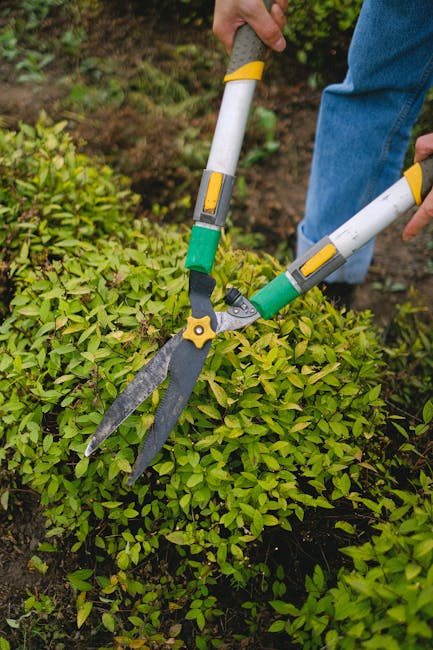
The work itself normally falls into a practical sequence. In a typical tidy-up, the team will prioritise safety and access first, then tackle the visible overgrowth, and finish with clearing, bagging, or removal of waste. The job may include mowing, strimming, weeding, hedge trimming, light pruning, leaf clearance, and general sweeping. If the garden is very overgrown, a more substantial clearance may be needed, which is where a garden clearance service can be more appropriate than a basic tidy-up.
It helps to be clear about scope. "Tidy up" can mean very different things to different people. One homeowner may mean a neat mow and border edge. Another may want the whole space stripped back, cleaned, and made ready for planting. A reliable gardener will usually explain what can be done in the time or budget available. That conversation matters. It saves surprises later.
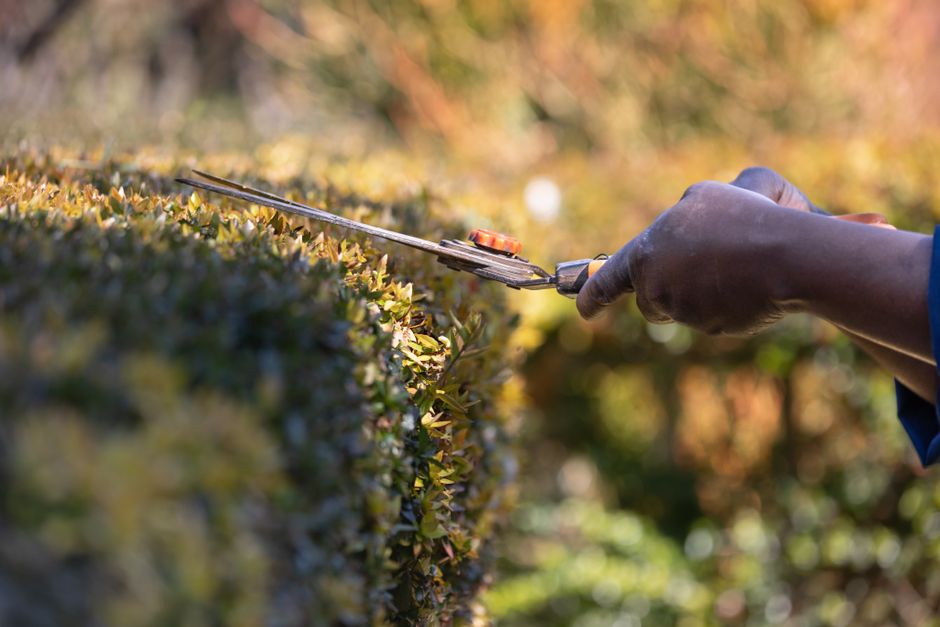
For jobs involving different kinds of work, it is common to combine services. For example, if the lawn needs attention and the hedges have shot up, a mix of lawn mowing and hedge trimming may be the most efficient route. In a slightly larger or more neglected garden, a broader garden maintenance visit can sometimes be better value than trying to solve each issue separately.
Key Benefits and Practical Advantages
The first benefit is obvious: your garden looks better. But there is more to it than appearance. A tidy-up can improve access, reduce trip hazards, and make the space easier to maintain in the following weeks. When the big stuff has been cleared, even a basic weekly or fortnightly routine becomes much less daunting.
Here are the main advantages people usually notice:
- Lower cost than a full redesign - you pay for visible improvement, not a full landscaping project.
- Flexible timing - ideal before guests arrive, before a property goes on the market, or after a period of neglect.
- Less stress - you do not need to buy tools, bags, or extra equipment yourself.
- Better safety and access - pathways, steps, and edges are easier to use once clutter and growth are cut back.
- Clearer future planning - once the garden is under control, you can see what really needs attention next.
There is also a hidden benefit that people sometimes overlook: confidence. A tidied garden changes the way you feel about using the space. You are more likely to sit outside, water plants, or just open the patio doors and enjoy the air. That sounds a little fluffy, perhaps, but it is true. A garden that feels manageable gets used more.
For a local homeowner thinking beyond a one-off visit, services such as landscaping or landscape gardening can be the next step if the space needs a longer-term upgrade after the tidy-up.
Who This Is For and When It Makes Sense
One-off tidy ups suit a wide range of people, not just those with completely overgrown gardens. In fact, many of the best-fit customers are homeowners who simply want a reset after a busy spell. If that sounds like you, you are already in the right place.
This service usually makes sense if you are:
- getting ready for visitors, a family event, or a summer gathering
- moving house or preparing a property for sale
- coming back from holiday and finding the garden has run wild
- managing a rental or inherited property that needs attention
- recovering from a period when you could not keep up with outdoor jobs
- looking for an affordable clean-up rather than ongoing maintenance
It can also be a good fit if you are simply not sure what the garden needs. Maybe the lawn is fine, but the borders are messy. Maybe the hedge is your main headache. Maybe there is a bit of everything, and you would rather have someone sensible sort it in one visit. That is fair enough. Most people do not want a lecture. They want the garden put right.
If you are unsure whether you need a lighter tidy-up or something more substantial, looking through the company's pricing and quotes information can help you match the job to the right level of service.
Step-by-Step Guidance
If you want the tidy-up to go smoothly, a little preparation goes a long way. Here is the simplest way to approach it.
1. Walk the garden and make notes
Start with a slow walk around the space. Look for obvious priorities: long grass, low branches, dense weeds, dead plants, broken pots, slippery patches, and anything blocking access. Make a short list. You do not need to be overly precise. Just enough to explain what is bothering you most.
2. Decide what "tidy" means to you
This is the bit people skip, and then regret. For some, tidy means neat edges and a mow. For others, it means a full clear-out with beds redefined and paths cleaned. Be honest about the result you want. If you want the garden to look presentable rather than perfect, say so. If you want it sharper, say that too.
3. Share photos or arrange a look around
Photos can help a gardener understand the scale of the job quickly, especially where budget matters. A few wide shots and a couple of close-ups are often enough. If the garden is complex or very overgrown, a visit may give a more accurate estimate. Either way, clarity now saves arguments later. Nobody enjoys that awkward "oh, I thought you meant..." moment.
4. Agree the scope before work begins
Before any tools come out, confirm what is included. Will waste be removed? Will hedges be shaped or simply reduced? Will the gardener take away cuttings, or leave them bagged for collection? This is one of the easiest ways to keep costs under control.
5. Let the gardener work through the priorities
A good tidy-up usually begins with the most urgent areas. Access routes, safety hazards, and heavily overgrown sections tend to be tackled first. From there, the cleaner structure of the garden starts to emerge. It can be quite satisfying, actually, to watch the mess peel back in stages.
6. Check the result before the team leaves
Do a final walk-through and look at edges, corners, paths, and any agreed extras. If something important has been missed, mention it politely while the tools are still out. That is much easier than trying to fix it days later.
Expert Tips for Better Results
To get the best value from an affordable one-off tidy up, think like a practical gardener, not a perfectionist. That sounds slightly odd, but it makes sense. The goal is not to micromanage the job. It is to get the highest-impact work done first.
Tip 1: Focus on the visible wins. A clean lawn edge, reduced hedge height, and cleared pathways usually transform the space faster than fussing over minor details. If the budget is limited, prioritise the areas you see every day from the kitchen window or back door.
Tip 2: Be honest about access. If side access is tight, if the garden has steep steps, or if there is a heavy amount of waste to remove, say so early. It affects time, equipment, and quote accuracy.
Tip 3: Ask about waste handling. Green waste can pile up quickly. Some gardeners include removal, while others leave bags for disposal. A clear arrangement avoids that awkward heap in the driveway afterwards.
Tip 4: Combine services where it makes sense. A tidy-up is often more efficient when a lawn cut, hedge trim, and light clearance are done together. Separate visits can add unnecessary cost.
Tip 5: Choose the right season for the job. Spring and early summer can be ideal for a reset, while autumn visits are useful for leaves and growth management. Winter tidy-ups are still worthwhile, but the work may focus more on clearance than lush presentation. Bit less glamorous, but still important.
Tip 6: Keep a simple aftercare routine. Once the garden is back in shape, a quick weekly check can stop things from sliding again. Ten minutes here and there often beats one big rescue job later on.
If your garden includes timber features, a tidy-up may also be a good time to inspect them. For example, a worn deck edge or mossy surface may not need replacement, but you might want to look at decking services if the structure itself is starting to look tired.
Common Mistakes to Avoid
Most problems with one-off gardening jobs are not dramatic. They are small misunderstandings that snowball. A few simple mistakes come up again and again.
- Being vague about the job - "just tidy it up" can mean very different things to different people.
- Choosing solely on price - the cheapest quote is not always the best value if the scope is unclear.
- Ignoring waste removal - green waste can become a second problem if nobody has agreed who takes it away.
- Expecting a tidy-up to equal a makeover - if beds are damaged or the layout is poor, a tidy-up can improve it, but not redesign it.
- Leaving hazards unmentioned - hidden drainage covers, fragile fencing, and loose paving should be pointed out in advance.
- Skipping follow-up care - if you do nothing afterwards, the garden may slip back sooner than you expect.
One small but important point: do not assume every "garden tidy" includes pruning all shrubs, clearing every weed, and reshaping every border. Sometimes it does. Sometimes it does not. Ask. It is a five-minute conversation that can save an afternoon of confusion.
Tools, Resources and Recommendations
You do not need to buy a shed full of kit to benefit from a tidy-up, but it helps to understand what the work usually involves. Professional gardeners typically use a mower, strimmer, secateurs, loppers, hedge cutters, rakes, wheelbarrows, and protective equipment. The exact tools depend on the garden and the level of growth.
If you are handling a bit of light maintenance yourself between visits, keep it simple. A decent pair of gloves, a sharp hand tool for small weeds, a broom for paths, and a bagging plan for cuttings will cover the basics. You do not need fancy gear if the job is only about staying in control.
For broader service needs, these pages can help you understand what is available locally:
- tree lopping and removal if larger branches or troublesome trees are part of the issue
- recycling and sustainability if you want to understand waste handling and greener disposal habits
- about us if you want a better feel for the people behind the service
- blog for practical local gardening reading
And if you prefer a service that is transparent from the start, check the company's information on insurance and safety. That sort of detail is not glamorous, granted, but it matters when someone is working on your property.
Law, Compliance, Standards, or Best Practice
For a basic garden tidy-up, there is usually no complicated legal process for the homeowner. Still, good practice matters. Any professional working on your property should use sensible safety precautions, handle equipment responsibly, and avoid creating avoidable mess or risk. That is the minimum you should expect.
In practical terms, compliance often means a few common-sense things. Tools should be used safely. Waste should be managed properly. Work should not damage neighbouring property or block shared access. If the job involves larger trees, steep slopes, or difficult access, it may need more careful planning than a casual mow and sweep. Not everything is a "quick job", despite the hopeful optimism some gardens inspire.
You may also want to check that the business has clear policies for safety, complaints, payment, and privacy. That is not because one-off gardening is risky in itself, but because a well-run business is usually easier to deal with. The relevant pages on health and safety policy, payment and security, and complaints procedure give useful reassurance before you book.
If you are comparing options, good practice is to ask simple questions: Is waste included? What if weather delays the work? What happens if the scope changes once the garden has been opened up? Clear answers are a strong sign you are dealing with someone organised.
Options, Methods, or Comparison Table
Not every garden needs the same approach. Some only need a neat refresh. Others need a more intensive rescue. The table below shows how the main options usually differ.
| Option | Best for | Typical focus | Good to know |
|---|---|---|---|
| Light tidy up | Gardens that are mostly maintained but need a reset | Mow, edge, weed, sweep, small cuts | Often the most affordable choice if the garden is not heavily overgrown |
| One-off tidy up with clearance | Gardens with thicker growth or heavier debris | Cut-back, waste removal, bigger clean-up tasks | Useful after holidays, seasonal build-up, or long gaps between visits |
| Regular maintenance | Owners who want ongoing control | Routine mowing, trimming, weeding, seasonal care | Usually better value over time if the garden needs constant attention |
| Landscaping support | Gardens needing structural improvement | Layout changes, features, planting, hard landscaping | More involved and usually more expensive than a tidy-up |
So which is right for you? If the garden is generally fine but currently untidy, a one-off tidy-up is the sweet spot. If the space has been left for months and the growth is serious, a clearance may be more realistic. If you are looking further ahead, maintenance or landscaping could be the smarter long-term investment.
Case Study or Real-World Example
Here is a realistic example based on the kind of job that comes up often in Shortlands. A homeowner in BR2 had a rear garden that looked reasonable from a distance but was starting to feel cramped and hard to use. The lawn had grown long, the borders were full of weeds, one hedge had become uneven, and the patio edge had disappeared under a mix of leaves and stray growth. Nothing dramatic. Just enough to make the whole space feel tired.
They did not want a full redesign. They wanted the garden back to a presentable state before a family weekend. The most sensible approach was a one-off tidy-up that focused on the visible problem areas first. The team prioritised the lawn, cut back the hedge, cleared the borders, and swept the hard surfaces clean. Waste was removed as part of the agreed scope. The result was not a perfect garden, but it was neat, usable, and ready for people to sit outside again without feeling they had wandered into a small jungle.
What made the difference was not expensive work. It was focus. The homeowner did not try to solve everything at once. They tackled the jobs that gave the biggest visual improvement. That is often the smart way to do it. A garden does not need to be flawless to feel good.
A similar approach works well if the space includes planting that needs a bit of recovery afterwards. If you are planning for longer-term privacy or structure, you might also find ideas in the article about choosing tall potted plants that add lush layers of privacy. It is a different angle, but it can be useful once the tidy-up has given you a clean slate.
Practical Checklist
Use this checklist before you book or before the gardener arrives. It keeps the job simple and avoids awkward gaps in communication.
- Walk the garden and list the main problems
- Decide whether you need a light tidy-up or a heavier clearance
- Take photos if you are requesting a quote remotely
- Ask what is included in the price
- Confirm whether waste removal is part of the job
- Point out fragile features, access issues, or hidden hazards
- Ask how long the visit is likely to take
- Check whether hedge work, lawn work, and pruning are all covered
- Agree what "finished" should look like
- Do a final walk-through before the team leaves
Quick summary: the best one-off tidy ups are clear, targeted, and properly scoped. If you know what you want and the gardener knows exactly what to expect, the job usually runs smoothly. Simple. Really.
Conclusion
Affordable gardeners Shortlands BR2 for one off tidy ups are a practical solution when your outdoor space needs a reset without the commitment of regular visits. They are especially useful when the garden has slipped a bit, when time is short, or when you just want the place to feel under control again. Done well, a tidy-up brings back order, improves safety, and gives you a garden you can actually enjoy rather than worry about.
The key is to be clear about the scope, realistic about the result, and honest about what matters most. Focus on the visible wins, ask the right questions, and choose a service that explains things properly. That way, you are not just paying for a cut and sweep. You are buying back a bit of calm.
Get a free quote today and see how much you can save.
And if the garden has been nagging at you for weeks, that first step can feel surprisingly good. Once it is done, you will wonder why you waited so long.
Frequently Asked Questions
What does a one-off garden tidy up usually include?
It often includes mowing, strimming, weeding, hedge trimming, light pruning, and clearing leaves or debris. The exact scope depends on the garden and what you agree in advance.
How affordable is an affordable gardener in Shortlands BR2?
That depends on the size of the garden, how overgrown it is, and whether waste removal is included. The best way to keep it affordable is to be clear about priorities and avoid adding extras on the day.
Is a one-off tidy up better than regular maintenance?
It depends on your needs. A one-off tidy up is ideal if the garden only needs occasional attention, while regular maintenance is better if growth is constant and you want ongoing control.
How long does a garden tidy up take?
There is no fixed answer. A small, lightly untidy garden may take a short visit, while a larger or neglected space can take much longer. Access, waste, and the amount of cutting all affect timing.
Can a gardener remove garden waste after the tidy up?
Often yes, but not always as standard. Always ask whether waste removal is included in the quote so you know exactly what you are paying for.
What if my garden is very overgrown?
If growth is heavy, a basic tidy-up may not be enough. In that case, a fuller garden clearance could be more suitable, especially if there is bramble, dense weeds, or large amounts of debris.
Should I be home when the gardener comes?
It helps, especially for the first visit, because you can show the main priorities and answer any questions. After that, some people prefer to arrange access and let the work happen while they are out.
How do I know if I am getting a fair quote?
Ask what is included, whether waste removal is part of the price, and how the work will be approached. A fair quote is usually clear, specific, and based on the actual condition of the garden.
Can one-off tidy ups include hedges and small trees?
Yes, often they can. Light hedge trimming is common, but larger branches or more complex tree work may need a separate service such as tree lopping and removal.
Is it worth tidying a garden before selling a house?
Yes, very often. A neat garden can improve first impressions and make the property feel better cared for. It does not need to be perfect, just clean, open, and well presented.
Do I need to book a full landscaping project instead?
Only if the garden needs structural changes, new features, or a complete redesign. If it mainly needs cleaning up and restoring order, a one-off tidy-up is usually the better starting point.
What should I ask before booking?
Ask what tasks are included, how waste is handled, how long the job may take, and whether any extra work will need approval before it starts. Clear questions lead to clearer results.